
Something strange is happening right now. and has been going on for a while.
The public sector, the place that is supposed to hold our schools, our hospitals, our libraries, our safety nets, is quietly being run like a startup that drank too much venture capital.
Growth! Efficiency! Optimization! Quarterly thinking applied to systems meant to care for generations.
Somewhere along the way, the state started cosplaying as a corporation.
But here’s the thing: citizens are not customers, and taxes are not revenue streams. Taxes are an investment. A collective spell we cast together so that education gets brighter, healthcare gets kinder, and the future gets a little more breathable for the kids who aren’t even here yet.
Right now that spell feels… hijacked.
We pay in, but the return, the real ROI, is oddly invisible. Schools stretch thinner. Healthcare workers run marathons in hospital corridors. Sustainable development gets treated like a decorative plant in the lobby instead of the foundation of the building.
Meanwhile the language of “growth” floats through policy rooms like a ghost that refuses to explain itself.
Growth of what? For whom? Toward where?
Because a society isn’t a tech company chasing its next funding round. It’s a living ecosystem made of people, care, knowledge, and the stubborn belief that our shared resources should circle back to us.
Especially to those who have historically been asked to give the most while receiving the least, women, caregivers, the invisible laborers holding entire systems together with coffee, spreadsheets, and sheer willpower.
If the public sector keeps chasing profit logic, it risks becoming something uncanny: a machine that collects contributions from citizens but forgets the magic trick of turning those contributions back into collective wellbeing.
And people notice. Because the real question humming beneath it all is simple:
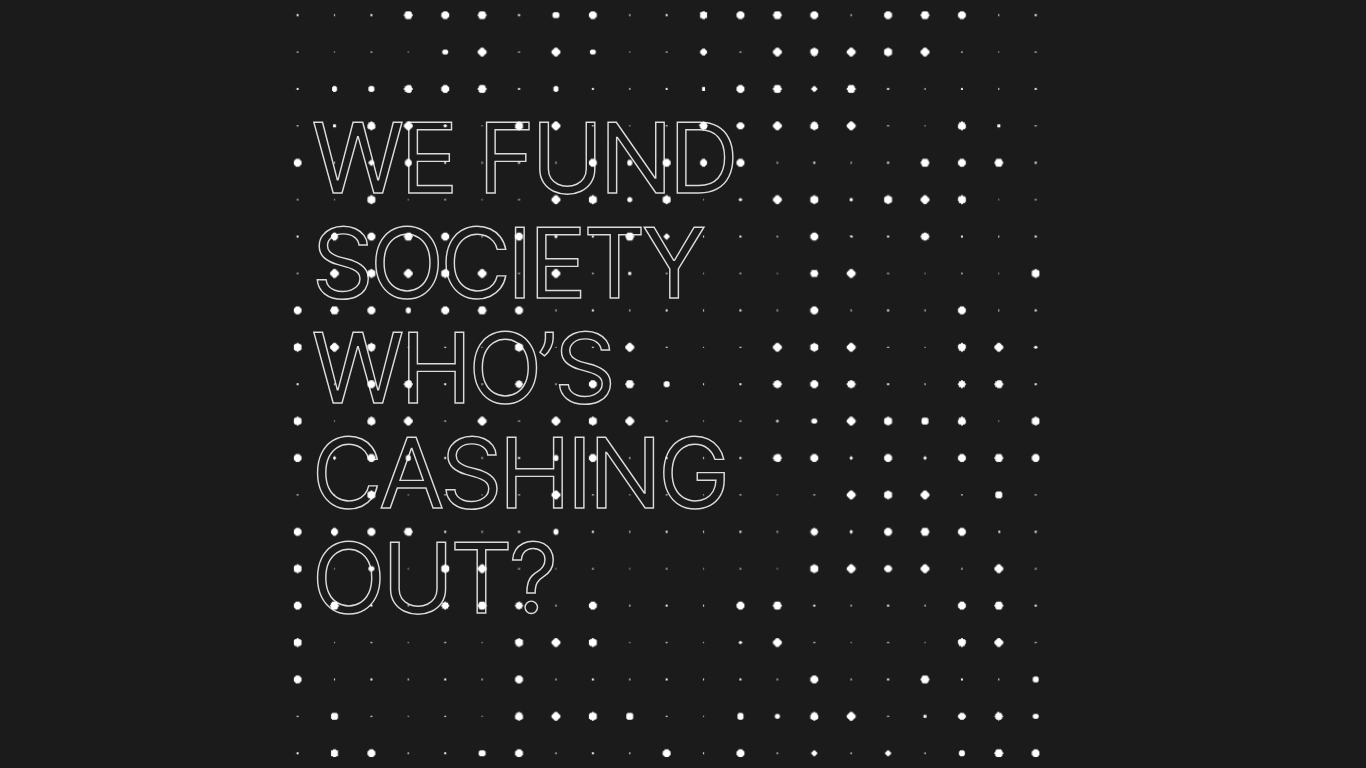
If the public sector is run like a company, where exactly are the dividends?